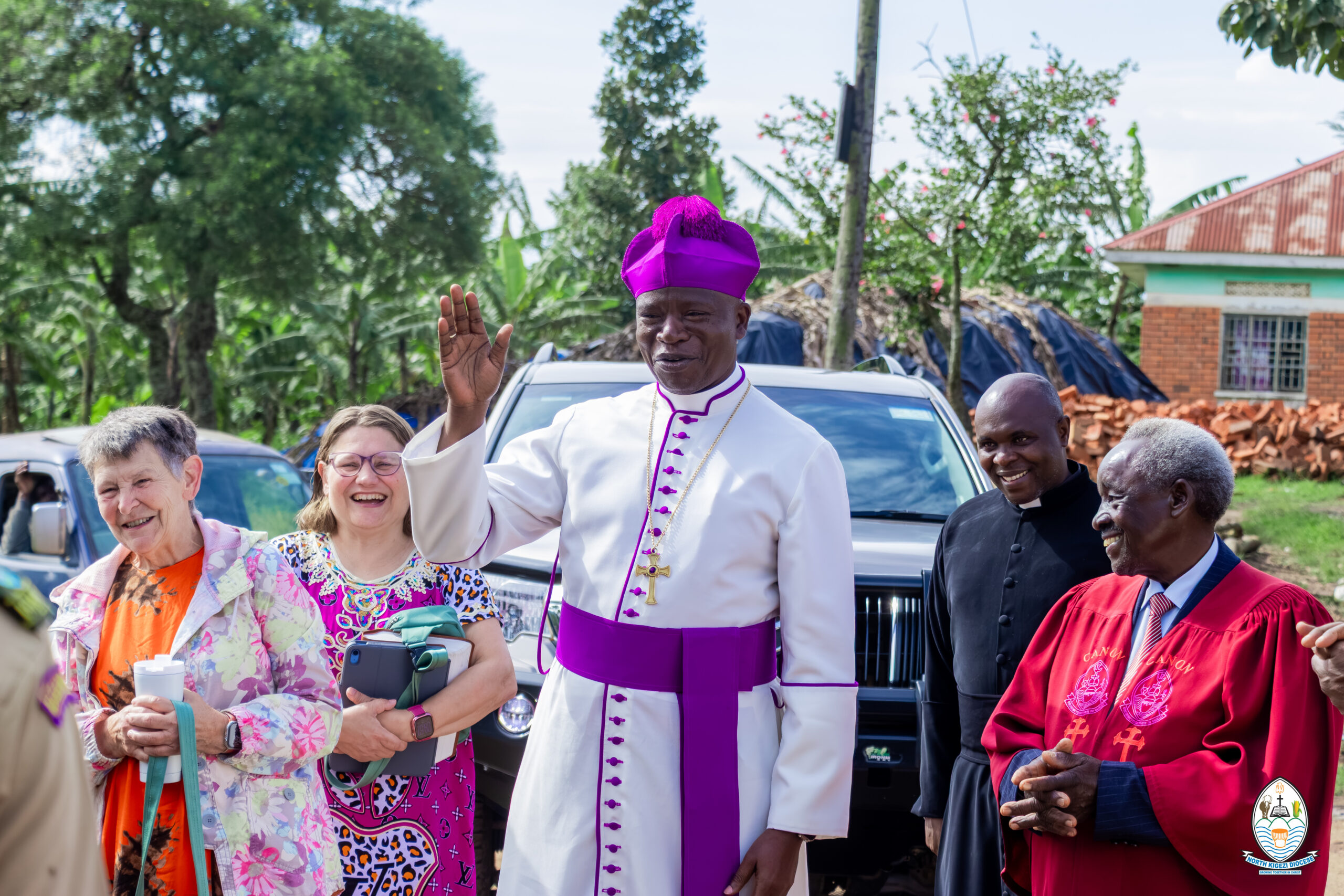
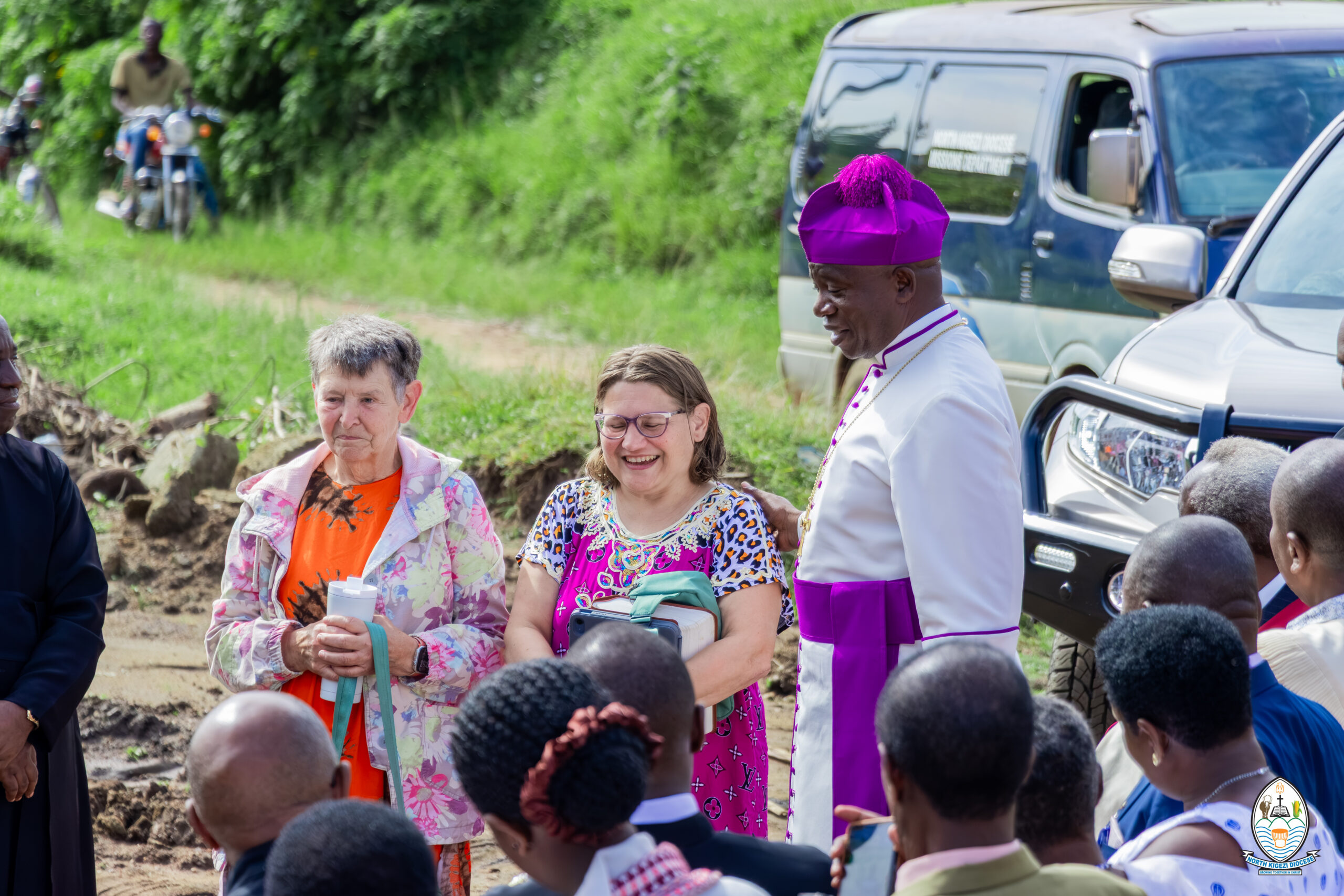
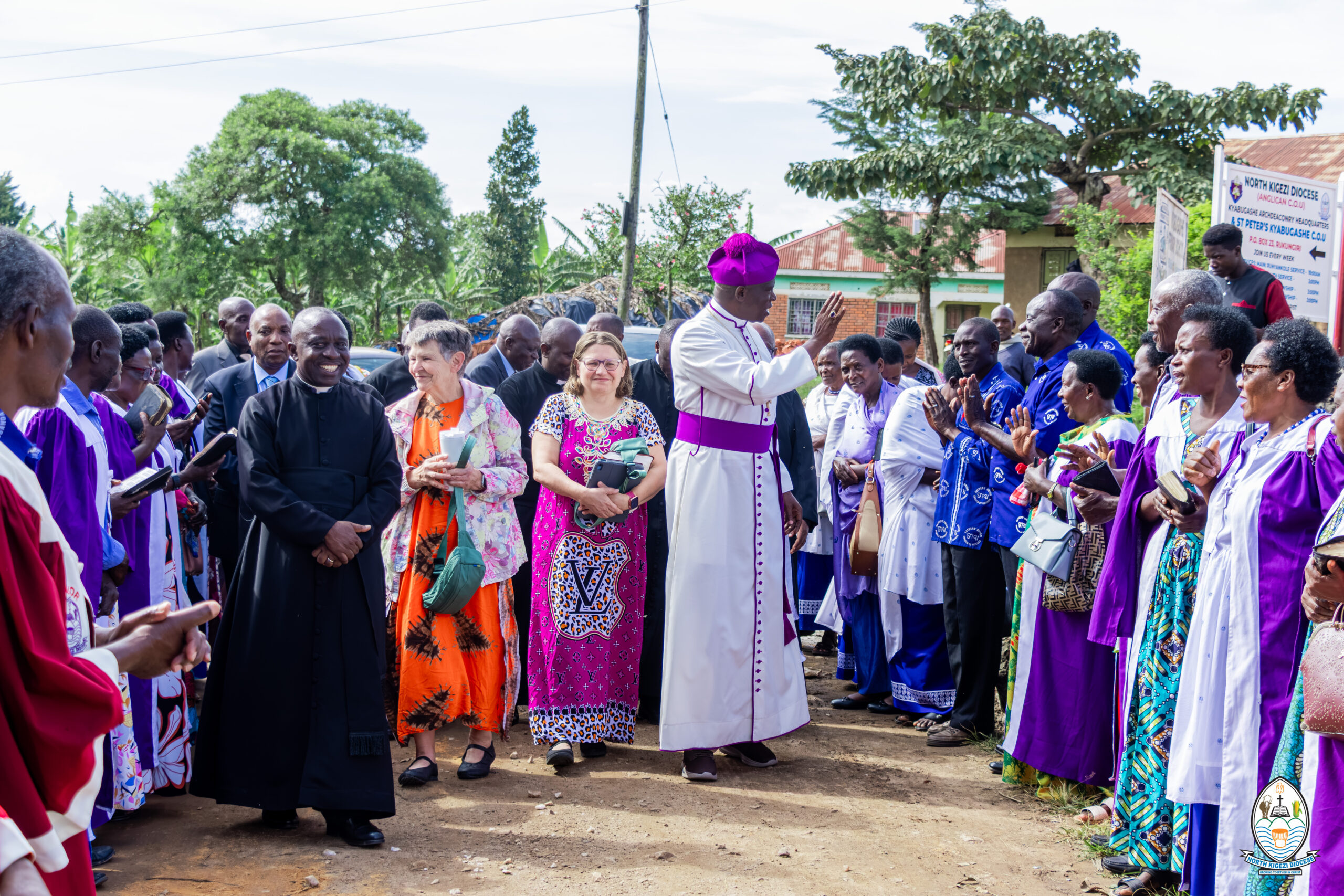
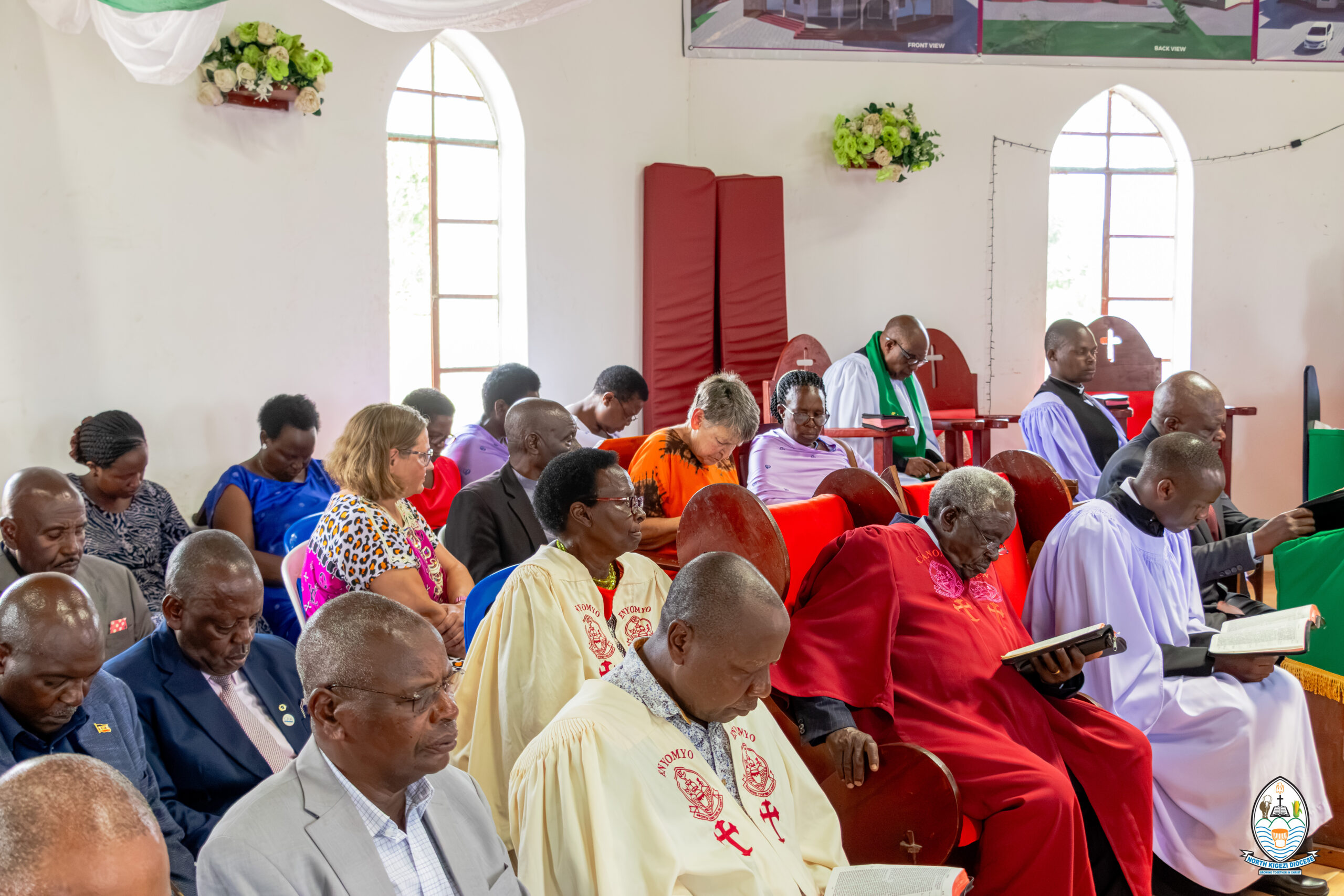
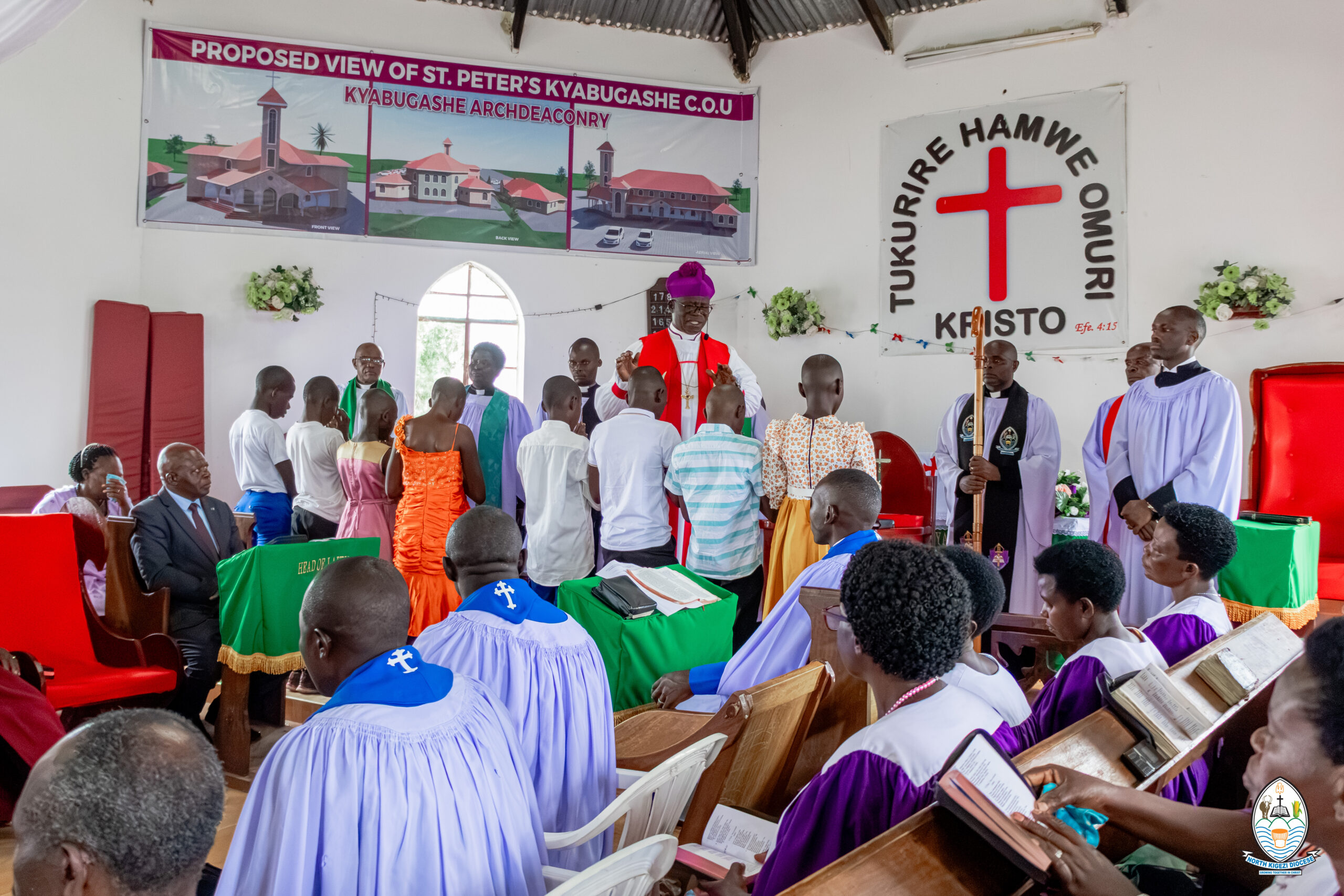
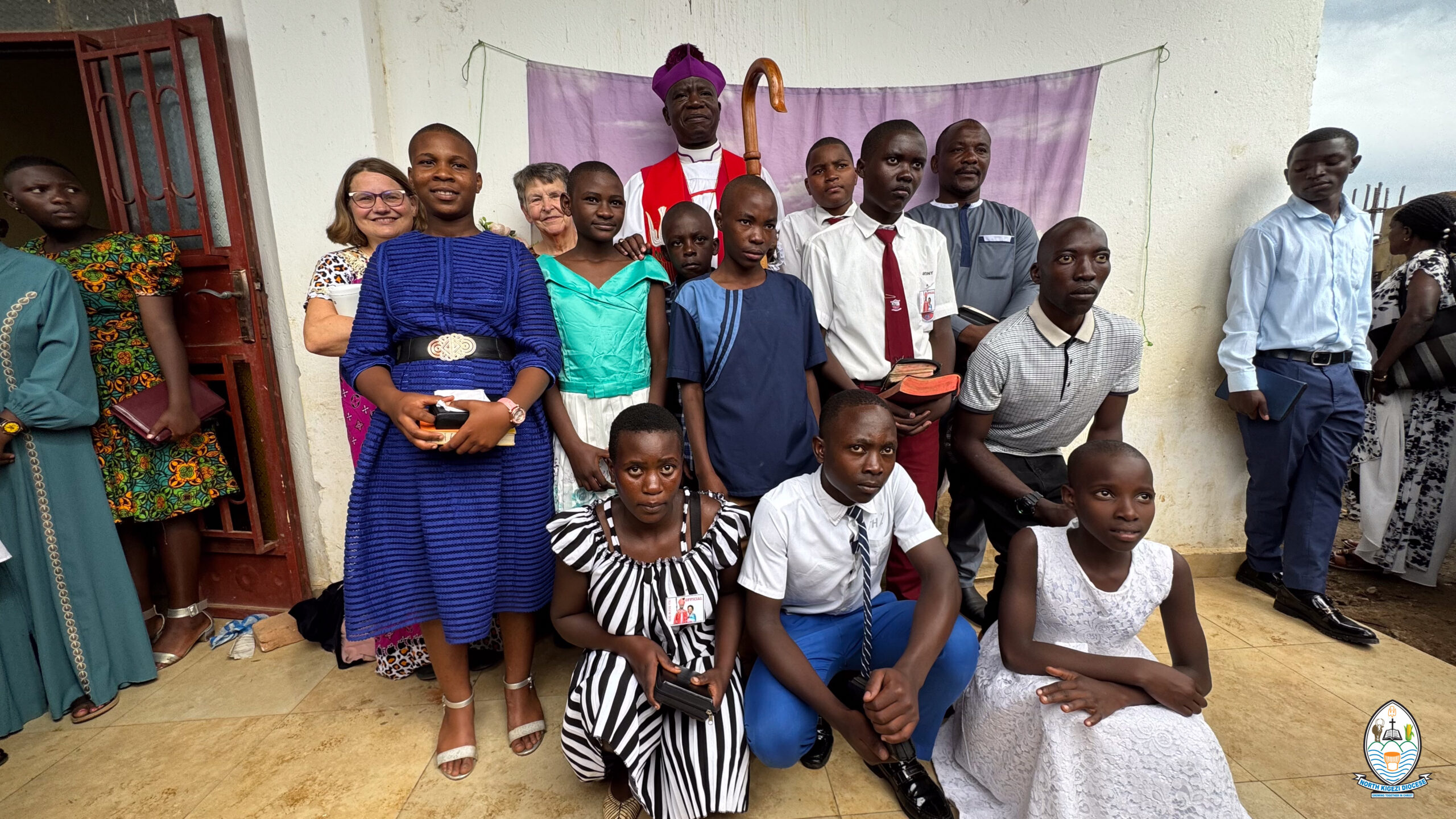
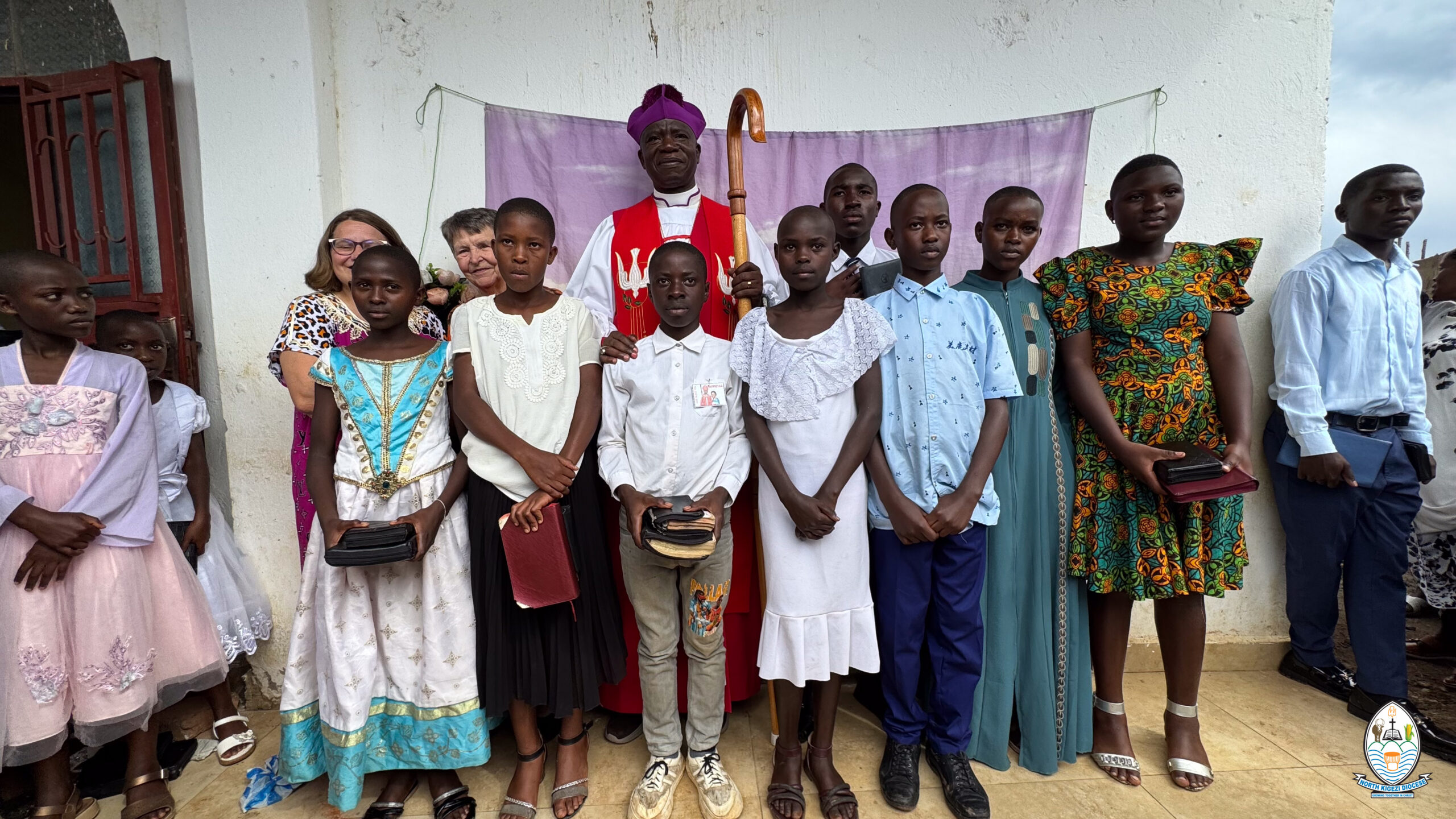
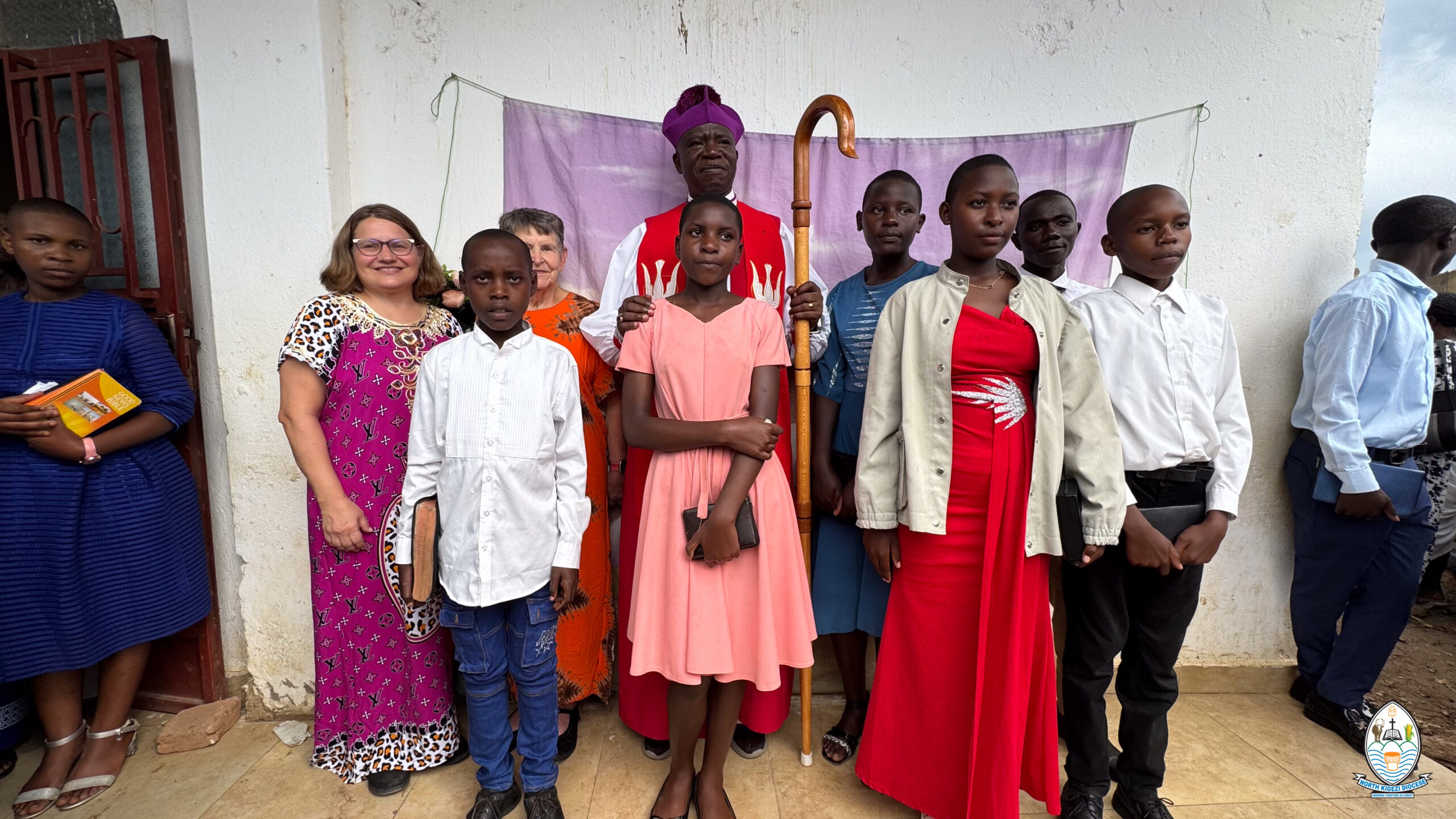
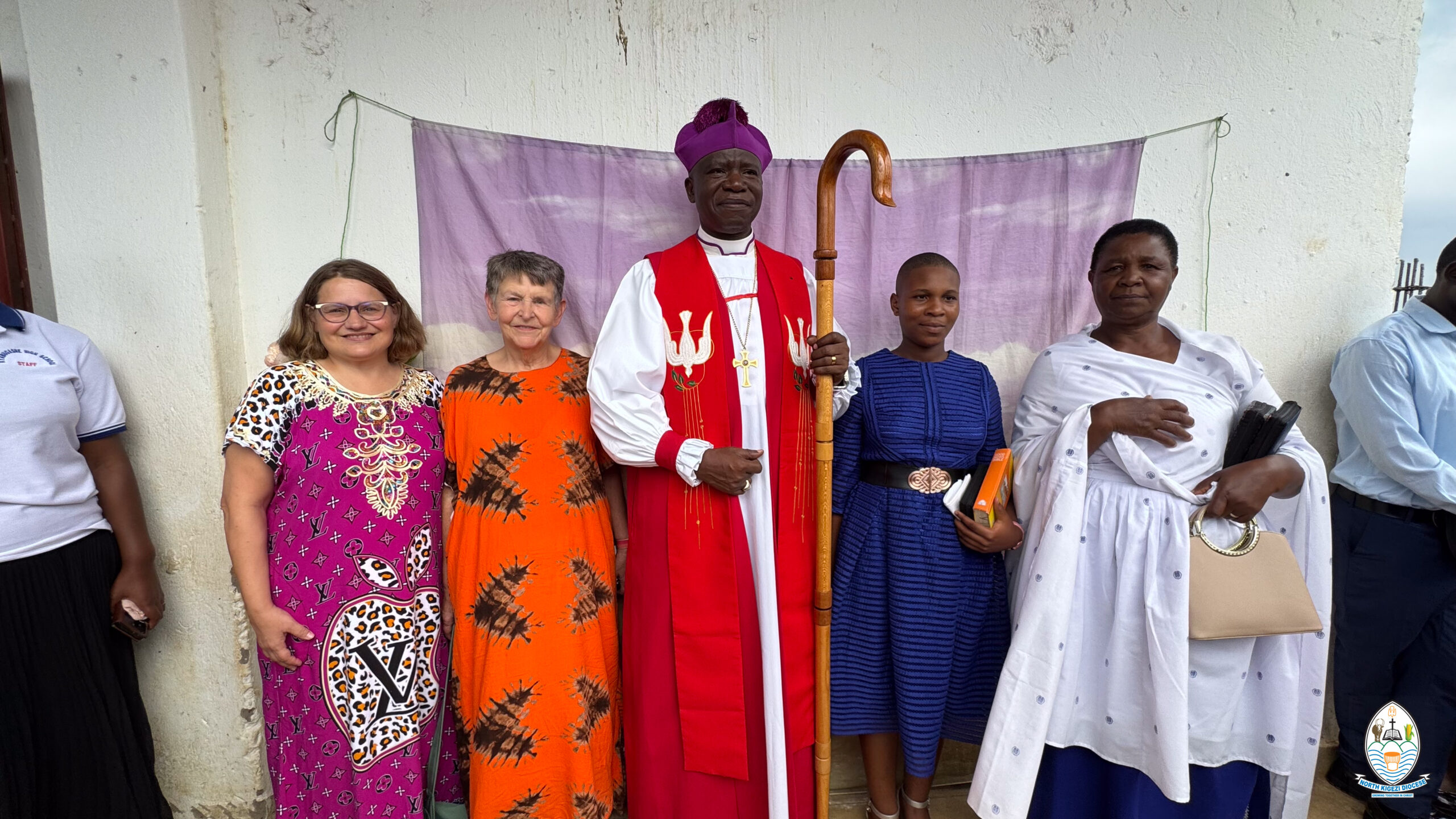
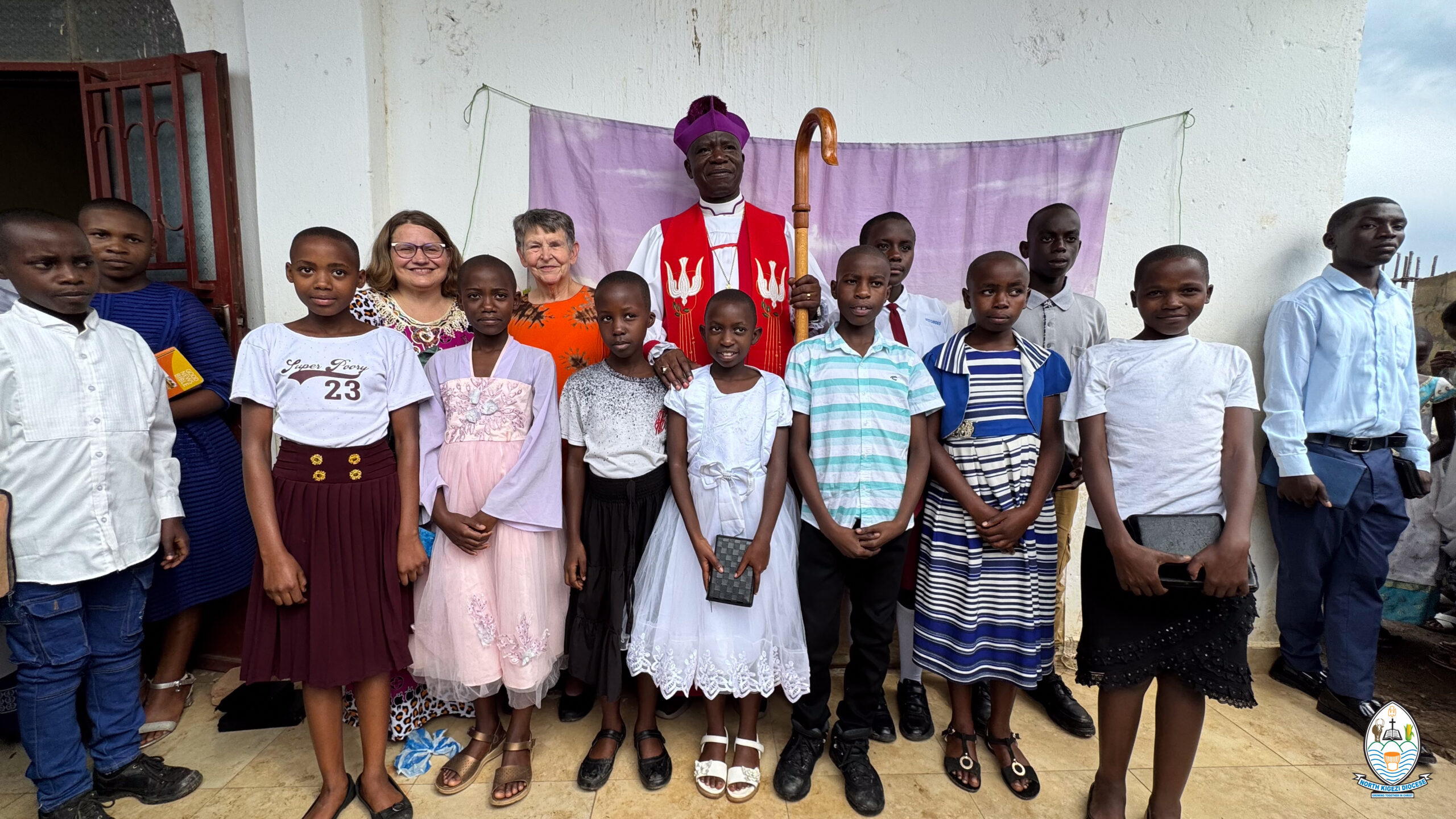
The Bishop of North Kigezi Diocese, the Rt. Rev. Onesimus Asiimwe, has confirmed 115 Christians at St. Peter’s Church of Uganda, Kyabugashe, and laid a foundation stone for the construction of a proposed 2,000-seater church to accommodate the growing congregation.
The new church building is intended to address the increasing number of worshippers, which has exceeded the seating capacity of the existing church.
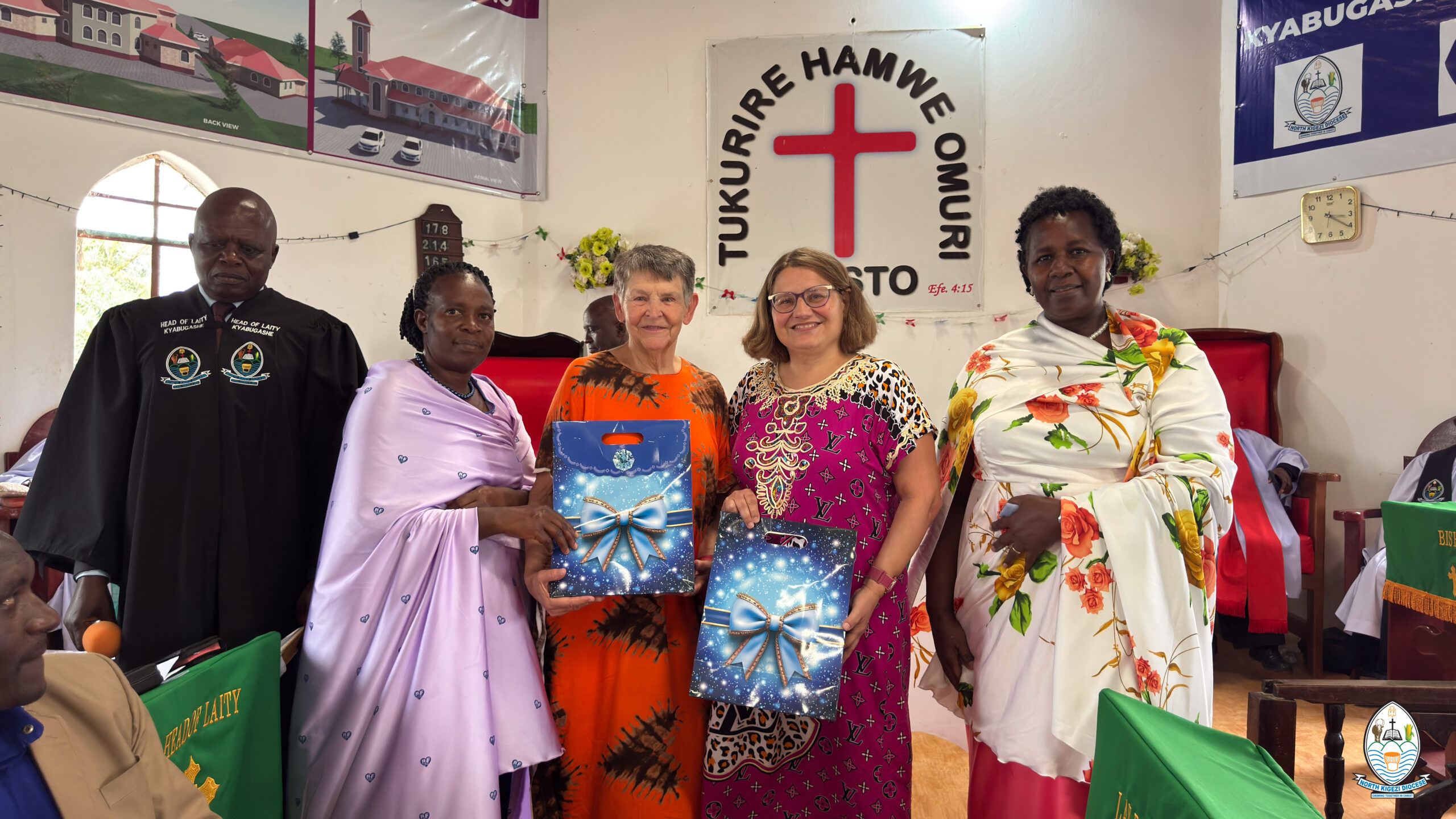
Preaching from Romans 12, Carol Burgess highlighted three important roles of the Holy Spirit, describing Him as a helper, encourager and teacher. She reminded Christians that human abilities alone were insufficient to accomplish God’s purposes, emphasising the need to depend on the Holy Spirit for strength and guidance.
She further encouraged Christians to seek the Holy Spirit’s guidance when reading and studying the Bible, noting that understanding God’s Word requires spiritual guidance.
She explained that upon receiving Jesus Christ as Lord and Saviour, believers are empowered by the Holy Spirit, who gives them wisdom, encouragement and direction, just as Jesus promised His disciples that He would not leave them as orphans but send them a helper.
Addressing students of Kyabugashe High School and pupils of Kyabugashe Primary School before the service, Bishop Asiimwe reminded them that there is a season for everything. He encouraged them to prioritise their education rather than engage in relationships and marriage while still pursuing their studies.
Using the analogy of an unripe mango, he cautioned young people against rushing into adult responsibilities before their time. He also warned girls against relationships in which they risk being exploited and abandoned.
The Bishop also toured the three-acre coffee and banana project at Kyabugashe, which is currently at the flowering stage. He commended Christians, led by the Archdeacon of Kyabugashe Archdeaconry, Ven. Amos Katushabe, for embracing his call to establish coffee plantations.
He urged other churches that had not yet embraced coffee growing to take up the initiative as a way of promoting household income and supporting sustainable development.